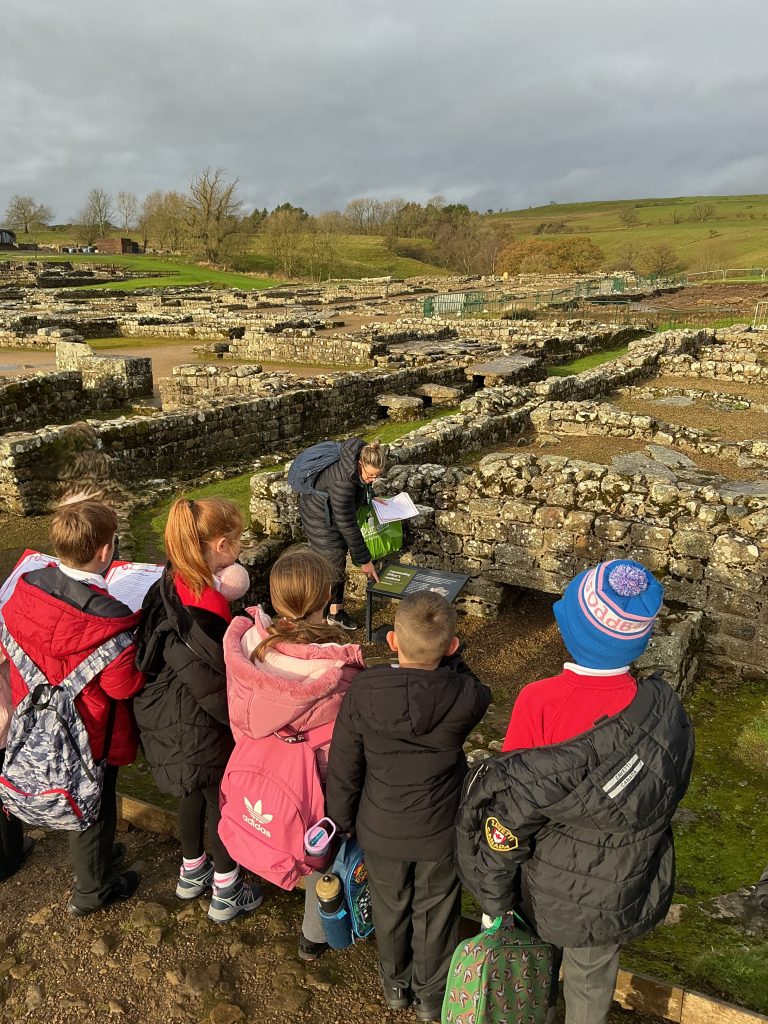
Why Choose Mixed Year Group Classes for Your Child?
At our school, we embrace mixed year group classes (sometimes called composite or multi-age classes). Far from being a compromise, mixed-age teaching is an intentional, evidence-backed educational approach that nurtures confident, independent, and high-achieving learners.
We engage in a progressive approach to education, that values kindness, curiosity, creativity, responsibility and wellbeing alongside traditional academic development. Mixed age classrooms are often one of the first things encountered when looking at this type of approach as they address the varied and individual ways children develop.
Children do not all develop at the exact same pace simply because they share a birth year. Mixed-age classrooms allow us to teach each child as an individual, not just the year group label, creating a richer, more collaborative environment for every pupil.
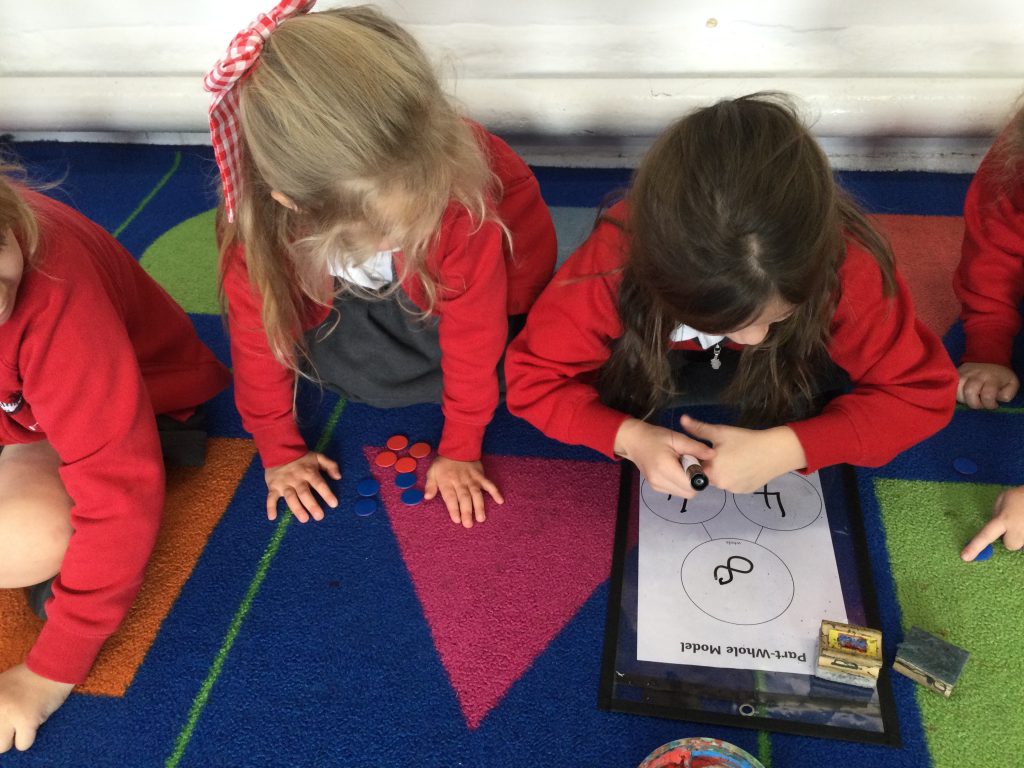
What the Research Tells Us
- Boosted Academic Progress – Educationl studies (such as extensive research funded by the Nuffield Foundation) show that younger pupils in mixed-age classes gain measurable boosts in literacy and numeracy by learning alongside older peers. Crucially, the research confirms that older pupils maintain high attainment levels, ensuring no child is held back.
- Enhanced Peer Learning – Educational psychology highlights the power of peer teaching. When an older child explains a concept to a younger classmate, it solidifies their own understanding. Meanwhile, younger children are naturally stretched by hearing advanced vocabulary and observing higher-level problem-solving.
- Stronger Self-Concept and Well-Being – Long-standing research into multi-age schooling shows that children in mixed classes demonstrate higher self-esteem, more positive attitudes toward school, and lower levels of academic anxiety.

Key Benefits for Your Child
- Personalised Learning Pace – In a single-year class, children can sometimes feel pressured by where they “should” be relative to their exact age peers. In a mixed-age setting, learning is naturally differentiated. Children who need extra support can revisit foundational skills with younger peers without feeling self-conscious. Children ready for a stretch can seamlessly access Key Stage objectives targeted at the older year group.
- Developing Leadership and Empathy – Over a two-year cycle in a mixed class, every child experiences two roles:
- As the younger pupil they benefit from inspiring role models and mentorship.
- As the older pupil they step into a leadership role, developing patience, responsibility, and empathy as class “experts”.
- A Family-Like Social Atmosphere – Life outside the classroom in families, sports clubs, and workplaces is naturally mixed-age. Our classrooms mirror the real world, encouraging broader friendships, reducing pressures of peer competition, and fostering a supportive community.
- Continuous Relationships with Teachers – Mixed year group structures often allow children to stay with the same teacher or teaching team for more than one year. This continuity saves valuable settling-in time in September and allows teachers to gain a deep, nuanced understanding of your child’s personality, learning style, and academic needs.

How is the National Curriculum covered without repetition?